
Why activities matter, scientifically and emotionally
Engaging activities boost mood, reduce isolation, sharpen the mind and just make life feel full. It’s especially important in residential settings. The home’s activity programme is built “around the hobbies and interests of all our residents”.
Tip: Ask: What’s the daily schedule? How many social vs quiet activities? Are residents asked what they enjoy?
How we build a social, inclusive community
Welcoming lounges & sea- views: Victoria House has large landscaped gardens and rooms designed to feel comfortable.
Bringing community in: The activity co-ordinators work with members of the local community to engage residents.
- Personal choice: Residents encouraged to decorate rooms, be involved in decisions – this builds belonging.
Tip: Check how the home supports residents with different levels of mobility or cognitive ability to join in.
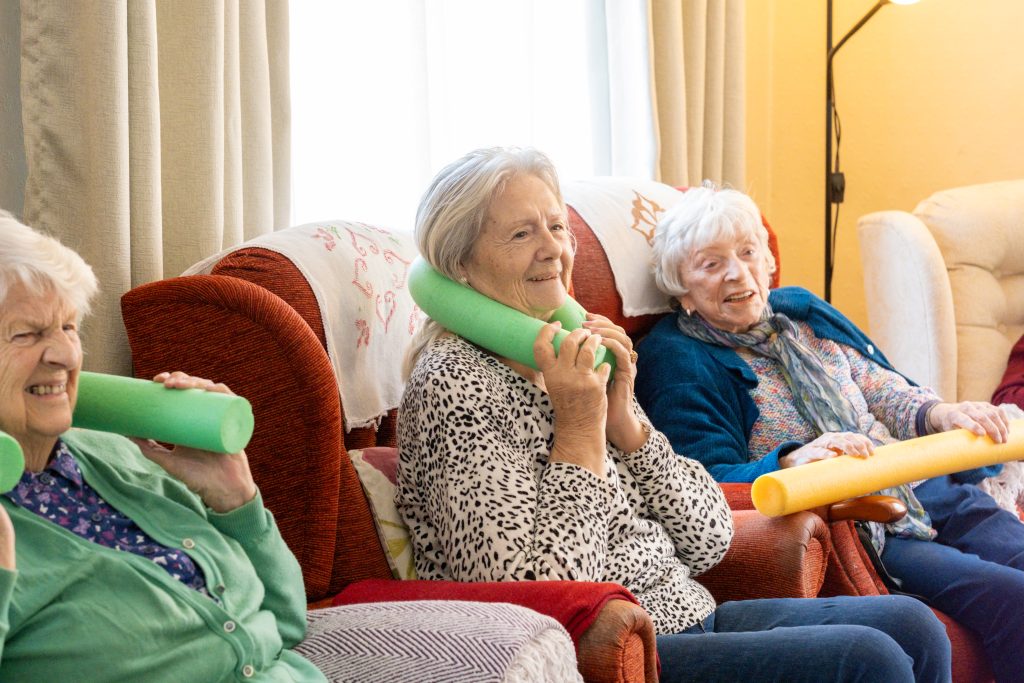
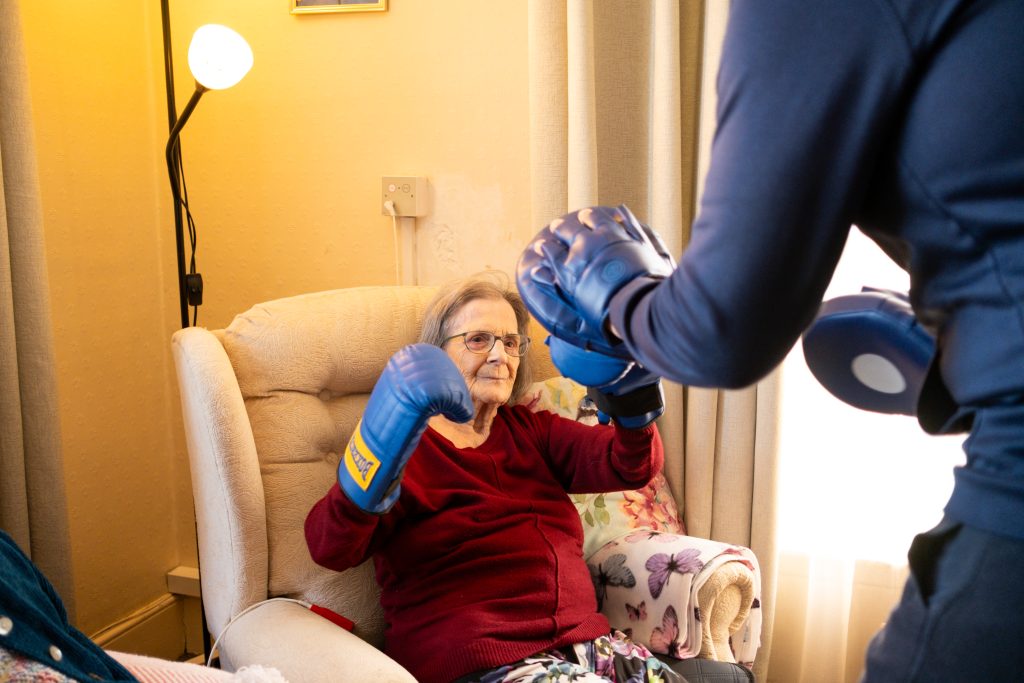
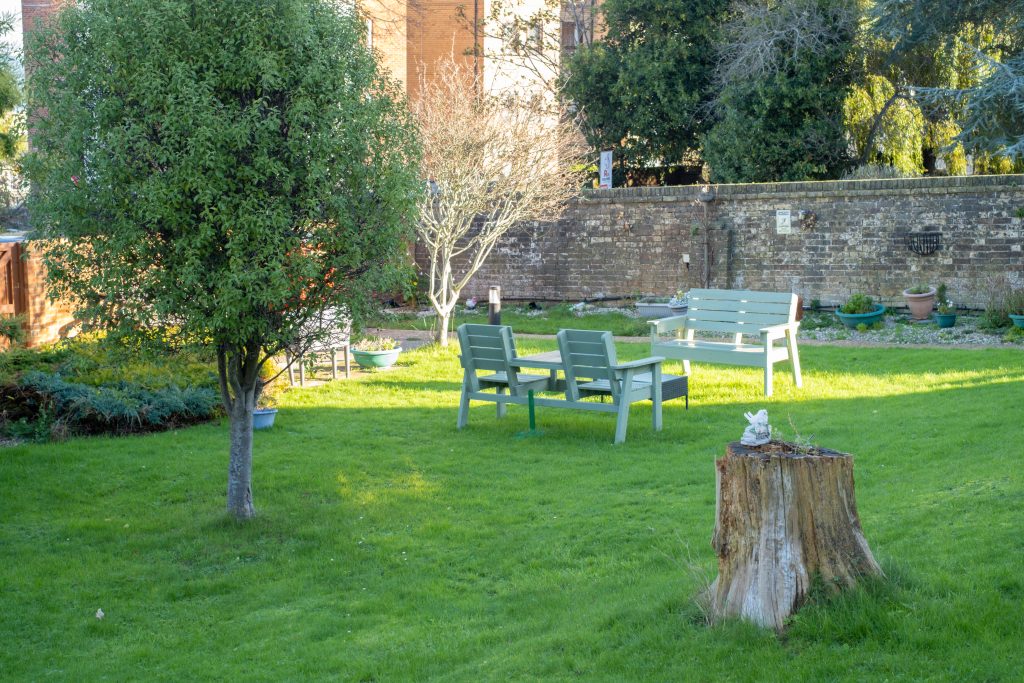
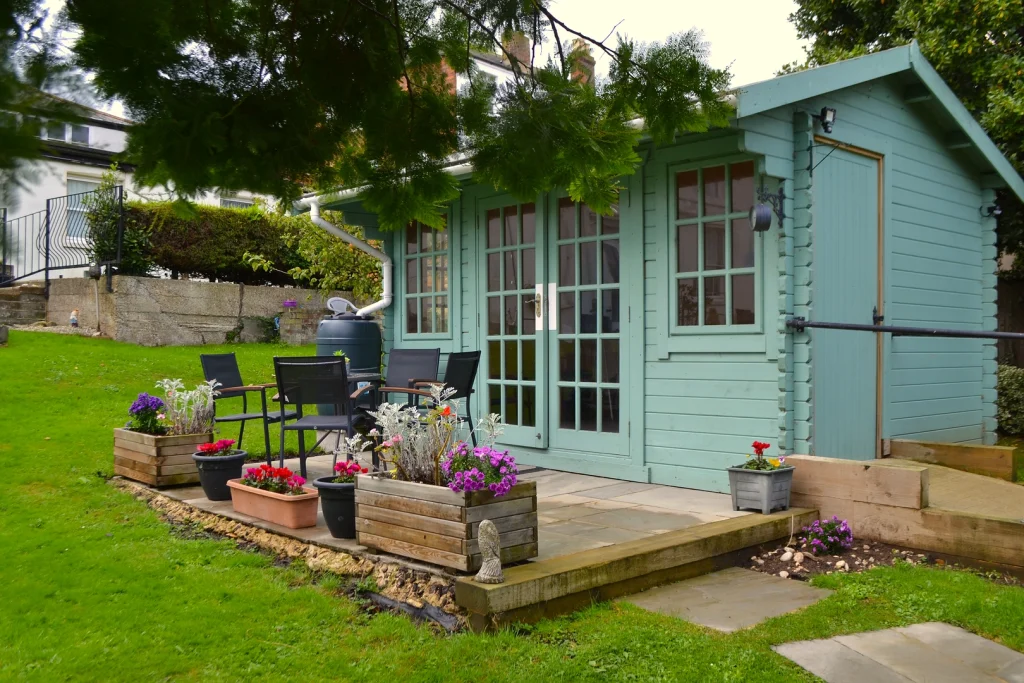
Examples of meaningful engagements
Gardening in the landscaped gardens.
Visits from local groups, animals, entertainers.
Quiet lounges for reading, chatting; activity rooms for crafting, games, live music.
Closer to the seafront, accessible for family visits, day outings, community involvement.
The outcome: life beyond ‘just care’
Because when you feel connected, involved, still part of the world, you’re happier — and that matters just as much as any medical check-up. Families visiting resident-review say “there’s lots of laughter”, “staff spending time”, “homely atmosphere”.
Tip: Ask families of current residents: how is the social life? What changes have they seen?
Conclusion
A care home should be a place to live well, not just to be looked after. If activities and community matter (and they should), then you’ll want a place like Victoria House where the environment, people, and programme align. Fancy a look around? Come for a relaxed visit – coffee in one of our lounges by the sea view.


